Retaining Wall Cost Breakdown By Material Size And Labor
Short answer
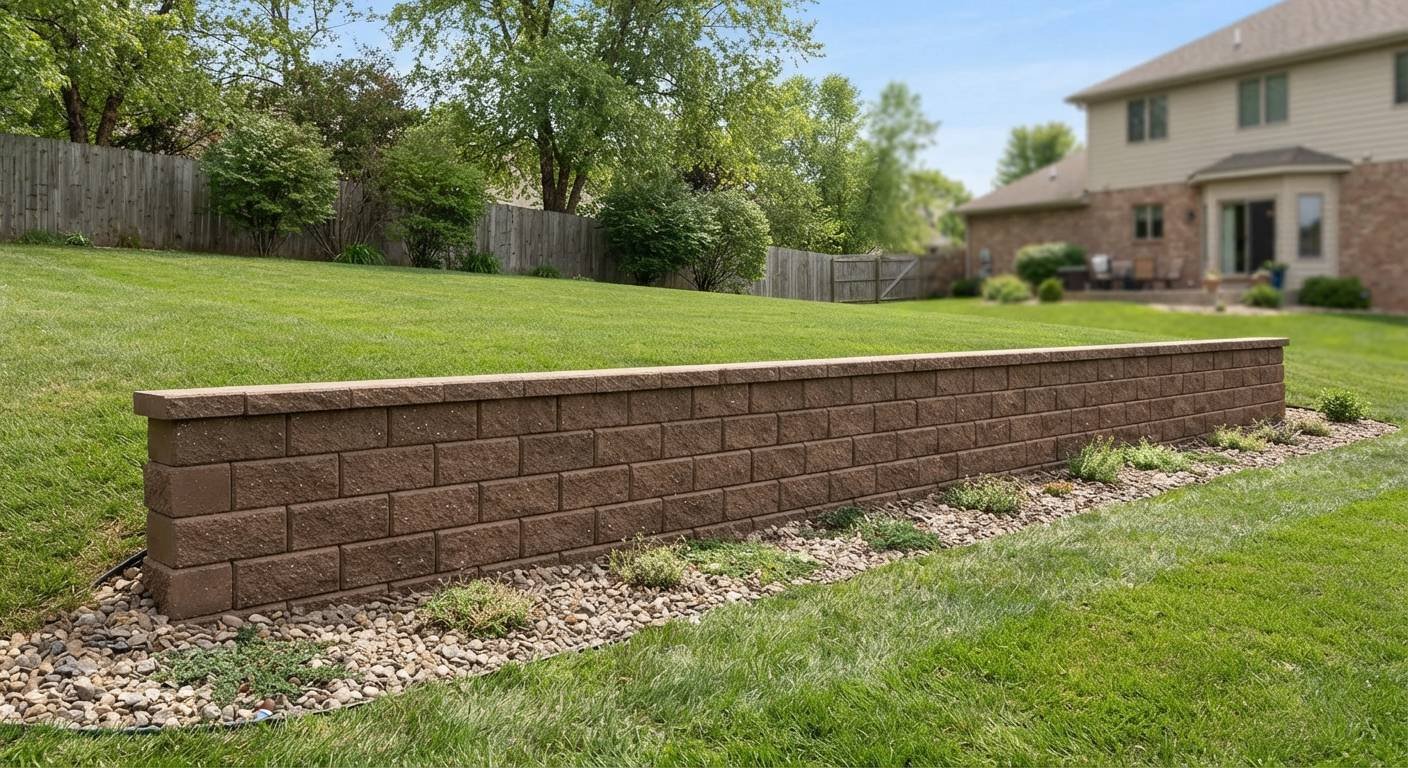
A professionally built retaining wall tends to cost between $3,500 and $10,000, often $20 to $45 per square foot of wall face. Height, material, drainage, soil conditions and any permits or engineering move the price. Pressure treated timber costs $13 to $25 per square foot, while segmental blocks cost $15 to $35 per square foot.
Retaining wall cost is usually the first question a homeowner asks about before fixing a sloped yard or crumbling hillside. Professionally built walls tend to range between $3,500 and $10,000, with the final tally depending greatly on the height and material chosen for the project. This guide breaks down what determines that number.
What Drives The Price
No two properties will have the same price due to the variations in soil, access, labor, and all the unique circumstances that impact the job. The following factors tend to influence the price the most.
Height And Engineering
Height is one of the largest cost drivers because taller walls tend to require more materials, deeper foundations, reinforcement, and potentially engineering or permits.
A four foot wall or higher could potentially cost significantly more as some areas may require a permit, engineering plans, or additional reinforcement for taller structures.
Material And Lifespan
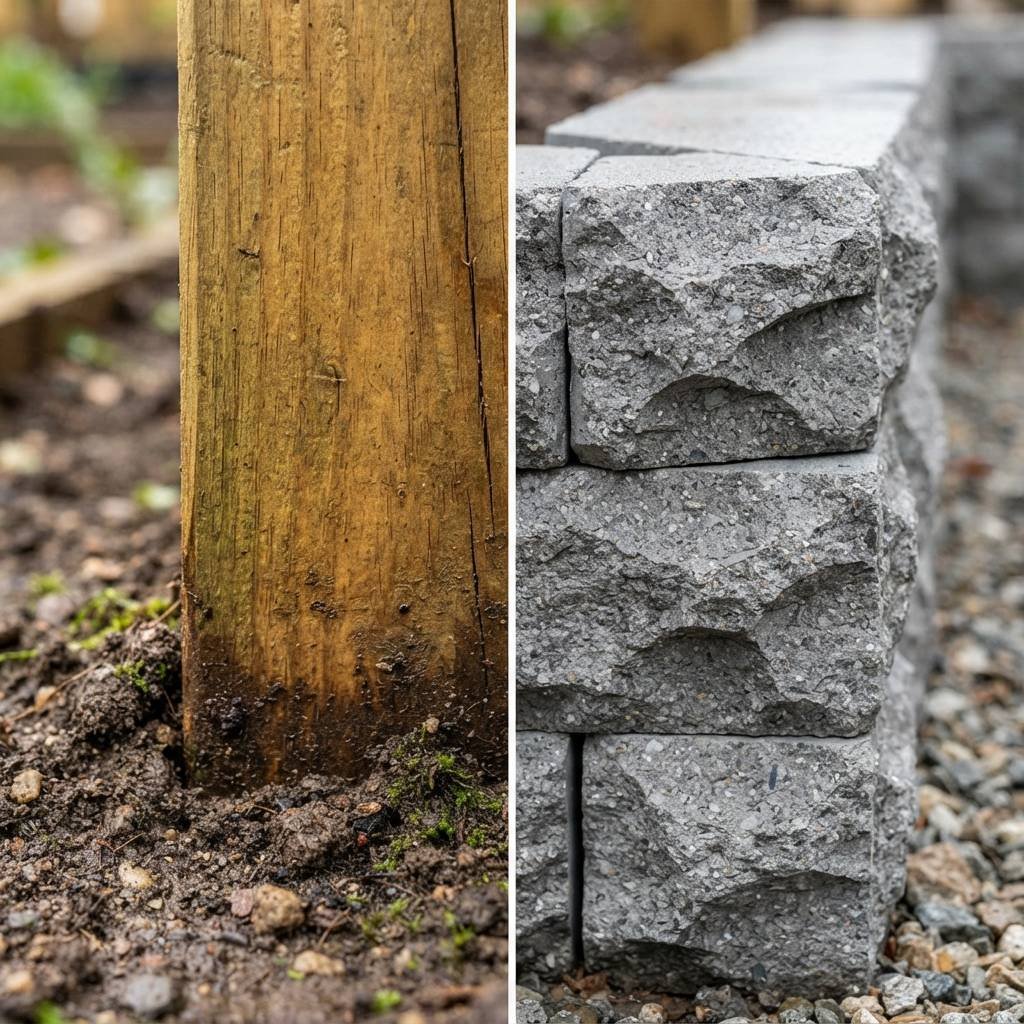
Pressure treated timber is often one of the cheaper options, usually costing $13 to $25 per square foot, and it generally lasts fifteen to twenty years. Segmental blocks cost $15 to $35 per square foot and can last fifty years or more, this is the most common residential choice.
Poured concrete and natural stone cost more, $20 to $50 per square foot and are used for their strength or appearance.
Drainage And Soil Conditions
All walls require compacted gravel, a perforated drain pipe, and filter fabric laid behind them. Skipping proper drainage is the leading cause of lean or early failure in a wall. Walls on heavy clay soil also add to the cost due to the increased pressure.
Proper drainage and erosion control are essential for retaining wall stability; the U.S. Environmental Protection Agency's guidance on retaining walls and erosion control explains how retaining walls can help stabilize slopes and why drainage and soil conditions matter.
A Simple Way To Estimate Your Project
Wall prices are based on the face area of the structure, length times height in feet. A wall that is 20 feet long and 3 feet tall would cover 60 square feet, as 20 times 3 equals 60.
20 feet by 3 feet at $20 to $45 per square foot installed would be between $1,200 and $2,700 without permits and poor access being considered. A 6 foot wall would increase the area to 120 square feet putting the range close to $2,400 to $5,400.
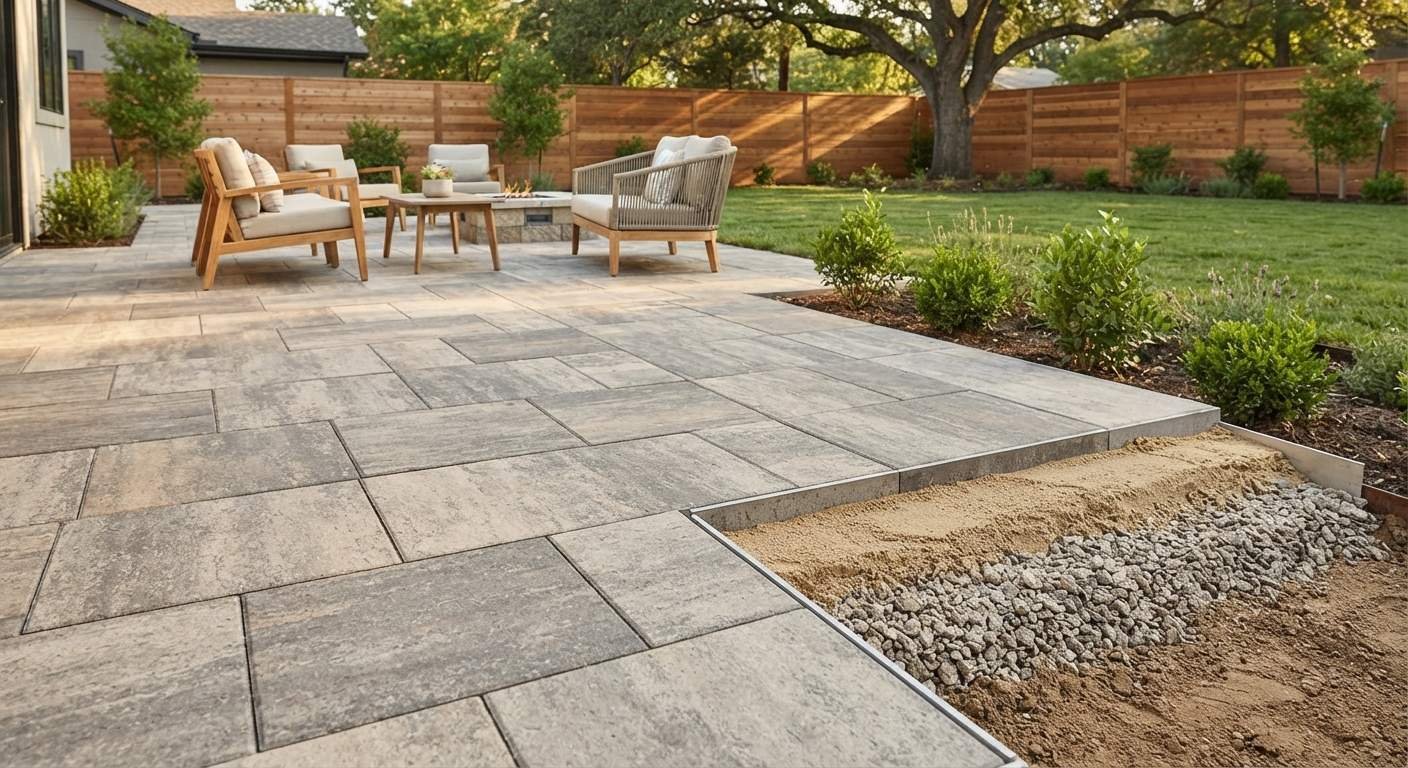
If you're also estimating the cost of a paved patio or walkway near your retaining wall, use our paver ratio cost estimation guide to help plan material quantities and project costs.
Retaining Wall Cost By Size
The cost also depends, to a lesser degree, on the size of your project. A small garden wall under three feet is typically $1,200 to $2,700 total. A structural slope wall between three and five feet often falls between $1,590 and $5,350 after permits and engineering have been added in.
Terraced systems with two or three shorter walls can fall between $12,000 and $25,000, though terracing can sometimes be cheaper than one larger wall, as each level avoids the engineering threshold in height.
Hidden Costs Homeowners Often Miss
Removing a failing or old wall before reconstruction can add $10 to $20 per linear foot to the job. Permitting, engineering plans, and equipment rentals for jobs in tight places are also easy to overlook.
Requesting three itemized estimates for the same set of dimensions is the simplest approach to identifying what is actually included, and what may sneak in later as an unexpected bonus.
If you're budgeting for other home repairs that may involve unexpected labor and material costs, explore our chimney repair cost guide to compare common repairs and their estimated prices.
DIY Versus Hiring A Professional
Materials only for a do it yourself wall will cost you around $8 to $18 per square foot, or about half of what a professional would charge. You could probably manage a DIY approach to a short garden wall that is under two feet in height on level, well drained ground.
Avoid the DIY method for walls over two feet, near a foundation, or on clay soil. A collapsing wall can lead to serious property damage.
Conclusion
Retaining wall cost depends on the height, material, and the drainage and engineering needed for the job. Small garden walls stay affordable, while taller or tiered systems move into five figures when permits are brought in.
Getting a few itemized quotes for the same dimensions is always the best way to understand the cost of a project.
Frequently asked questions
What is the average wall cost?
Most professionally installed walls have costs between $3,500 and $10,000, with prices often found near $20 to $45 per square foot.
What is the cheapest retaining wall material?
Pressure treated timber is typically the cheapest material but lasts significantly less time than block, stone, or poured concrete walls.
Do I need a permit for a retaining wall?
Most places require a permit and engineering once a retaining wall gets to be four feet tall, while shorter walls usually do not.
How much does removing an old wall add to the cost?
Demolition and haul away typically have costs near $10 to $20 per linear foot on top of the cost of the wall being installed.
Does a retaining wall add home value?
Yes, a good professionally installed wall adds value by adding usable yard space and protecting against erosion, typical buyers will notice that right away.
How long does a retaining wall last?
A wall with proper drainage can be expected to last fifty plus years, while wood walls are more in the fifteen to twenty year range.
Why the large variance in retaining wall cost between quotes?
Soil condition, job site access, material grade and permits or engineering are some of the main reasons why estimates can vary so drastically.
Related cost guides

Next step
Get an itemized quote for your hardscaping project
A vetted local pro from our network prices the job. Compare it against the ranges in this guide. Free, no obligation.