Sump Pump Replacement Cost Guide Prices and Factors Overview
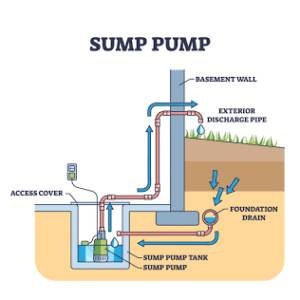
Short answer
A straightforward professional sump pump replacement costs $700 to $1,000, with most homeowners spending roughly $750 for a standard swap. Pump type, horsepower, labor and upgrades such as a battery backup, check valve or new discharge piping move the price. A complete combination system with a battery backup typically falls between $1,600 and $2,500.
Cost at a glance
| Sump Pump Type | Unit Purchase Cost | Total Cost (Professional Install) | Average Lifespan | Best For |
|---|---|---|---|---|
| Pedestal Pump | $60 – $170 | $400 – $750 | 15 – 30 Years | Narrow pits; long-term mechanical durability |
| Submersible Pump | $100 – $400 | $500 – $1,200 | 5 – 15 Years | Finished basements; quiet, heavy-duty use |
| Battery Backup Only | $150 – $300 | $350 – $700 | 5 – 10 Years | Homes with frequent storm-related power outages |
| Complete Combo System | $500 – $1,500 | $1,600 – $2,500+ | Variable | Total, fail-safe foundation protection |
See the full breakdown below · Estimates, not quotes.
Sump Pump Replacement Cost: Everything You Need to Know
A failing sump pump is a ticking clock for an expensive, stressful basement flood. When heavy storm water pushes against your foundation, you do not need a vague estimate, you need concrete numbers to protect your home's equity.
On average, a straightforward professional sump pump replacement costs $700 to $1,000, with most homeowners spending roughly $750 for a standard swap. However, if you are upgrading from a baseline single unit to a high performance comprehensive setup featuring a heavy-duty primary pump, secondary battery backup, and smart monitoring sensors the actual market cost typically falls between $1,600 and $2,500.
To help you secure an accurate plumbing quote and avoid unexpected line items, this comprehensive guide breaks down actual replacement costs, structural infrastructure upgrades, and the critical data missing from generic online estimators.
Sump Pump Replacement Cost Breakdown by Pump Type
The design, capacity, and mechanical placement of your replacement system are the most significant factors driving your total bill.
| Sump Pump Type | Unit Purchase Cost | Total Cost (Professional Install) | Average Lifespan | Best For |
|---|---|---|---|---|
| Pedestal Pump | $60 – $170 | $400 – $750 | 15 – 30 Years | Narrow pits; long-term mechanical durability |
| Submersible Pump | $100 – $400 | $500 – $1,200 | 5 – 15 Years | Finished basements; quiet, heavy-duty use |
| Battery Backup Only | $150 – $300 | $350 – $700 | 5 – 10 Years | Homes with frequent storm-related power outages |
| Complete Combo System | $500 – $1,500 | $1,600 – $2,500+ | Variable | Total, fail-safe foundation protection |
Pedestal Sump Pumps
Pedestal models place the electric motor atop a high column well above the floor of the sump basin. Because the motor stays completely dry and out of corrosive water, mineral buildup, and silt, these units offer an incredible lifespan of up to 30 years. They are easily accessible for repairs, but they operate with a highly audible hum, making them less ideal for finished basement spaces.
Submersible Sump Pumps
Submersible units sit completely enclosed at the bottom of your sump basin, operating fully underwater. Because the water muffles the sound, they run almost silently, making them the gold standard for finished living spaces. While they pull higher volumes of water and handle small debris effortlessly, constant liquid submersion naturally limits their functional lifespan to roughly 10 years.
Complete Combination Systems
Most generic online calculators quote the cost of a single, standalone pump. However, seasoned foundation contractors recognize that a single primary pump leaves you completely vulnerable during severe storm power grid failures. A full combination system links a powerful primary AC pump with an emergency secondary 12-volt DC battery backup. While this setup commands a premium ($1,600 to $2,500 installed), it ensures your basement stays safe if a storm knocks out your electricity.
4 Crucial Factors That Drive Your Total Invoice
Plumbing professionals rarely charge a flat fee without evaluating the current health and setup of your home’s drainage footprint.
1. Motor Capacity & Horsepower (HP)
The depth of your basement basin, your geographic location, and local water table heights determine the motor size your home demands:
- 1/3 HP: The standard baseline for average residential homes experiencing minimal water intrusion ($90 to $250 unit cost).
- 1/2 HP: The mid-tier sweet spot, required for homes with active, fast-filling sumps ($160 to $400 unit cost).
- 3/4 HP to 1 HP: Essential for deep basement basins, homes built over active underground springs, or systems pushing water up steep vertical inclines ($200 to $800 unit cost).
2. Labor Complexity vs. New Structural Digging
A standard, clean pump swap inside a fully intact, clean concrete pit takes a licensed plumber roughly 2 to 4 hours, translating to $150 to $400 in direct labor fees.
However, if your project transitions from a simple replacement to a brand-new installation, prices increase dramatically. Jackhammering through solid concrete, digging a new basin pit, and running fresh electrical connections will add $1,500 to $4,000 to your final bill.
3. Hidden Drainage Infrastructure Costs
Your new pump is only as reliable as the pipes carrying the water away from your foundation. Competitor articles frequently omit these critical line items:
- Check Valve Replacement: A check valve keeps pumped water from sliding back down into the pit when the motor cuts off. Swapping a cracked or failing check valve costs $125 to $250.
- Discharge Piping Construction: Replacing simple above-ground PVC exit lines averages $150 to $400. However, burying a dedicated discharge line deep beneath the frost line out past your property's grade line adds $250 to $2,000.
4. Smart Technology and Wi-Fi Integrations
Modern premium sump pumps now offer smart controller integrations. For an extra $150 to $350 on top of the base unit price, these systems connect directly to your home’s Wi-Fi. They send instant smartphone notifications if your basement loses power, if a pump fails, or if high-water limits are actively breached, giving you invaluable reaction time before a flood occurs.
Signs You Need an Immediate Replacement vs a Minor Repair
If your basement system is acting up, you might not require a complete unit overhaul. Use this diagnostic checklist to determine the right course of action:
- The Float Switch Sticks: If your pump runs endlessly without stopping, or fails to switch on when the pit is full, the mechanical float switch is likely trapped against the basin wall or jammed with dirt. A simple professional replacement or manual adjustment runs $100 to $250.
- Grinding, Rhythmic Screeching: Loud metallic noise points to a warped or jammed impeller. If clearing away stones and debris doesn't solve it, the motor bearings are shot, and a full unit replacement is required.
- The Unit Has Passed the 10-Year Mark: Submersible pumps degrade silently over time. Proactively replacing an aged pump during the dry summer season is far less expensive than calling a plumber for an emergency after-hours storm dispatch, which often incurs double or triple hourly rates.
DIY vs. Hiring a Foundation Specialist
If your current sump pit is structured cleanly, the drainage piping is aligned properly, and you are swapping an older unit for an identical, plug-and-play submersible pump, it is a highly approachable weekend DIY project that can save you several hundred dollars in labor fees.
However, you should always hand the project over to a licensed professional if your home requires structural concrete alterations, deep trench yard piping, intricate electrical updates, or the advanced wiring of a comprehensive dual-pump combination backup system. Protecting your foundation is an investment that pays for itself with a single prevented flood.
Final Takeaway
Understanding the sump pump replacement cost helps you plan for one of the most important home maintenance investments. While most homeowners spend $700 to $1,000 on a replacement, the final cost depends on the pump type, labor, and any additional upgrades. Choosing the right horsepower, maintaining your discharge piping, and considering a battery backup system can help protect your basement from costly water damage and provide reliable performance for years to come.
Frequently asked questions
How long does a standard sump pump last?
Most submersible sump pumps last 5–15 years, while pedestal models can last 15–30 years.
Does homeowners insurance cover sump pump replacement?
Usually not, unless you have optional water backup coverage.
Do I need a 1/3 HP or 1/2 HP sump pump?
A 1/3 HP pump suits most homes, while 1/2 HP is better for heavier water flow.
How much does it cost to add a battery backup to an existing sump pump?
A battery backup typically costs $350–$700, including professional installation.
What is the most common reason a sump pump fails?
A stuck or faulty float switch is the most common cause of failure.
How much does a sump pump replacement cost?
Most homeowners pay $700–$1,000 for a professional sump pump replacement.
Can I replace a sump pump myself?
Yes, but professional installation ensures proper performance and safety.
How long does it take to replace a sump pump?
A standard sump pump replacement usually takes 2–4 hours.
Should I repair or replace my sump pump?
Replace it if it's over 10 years old or repairs are becoming frequent.
What type of sump pump is best?
A submersible sump pump is best for most homes because it's quieter and more efficient.
What factors affect sump pump replacement cost?
Pump type, labor, horsepower, and additional upgrades have the biggest impact on cost.
Is a battery backup sump pump worth it?
Yes, it protects your basement from flooding during power outages.
Related cost guides

Next step
Get an itemized quote for your plumbing project
A vetted local pro from our network prices the job. Compare it against the ranges in this guide. Free, no obligation.