
How Long Does a Roof Last? A Contractor’s Forensic Guide
Most homeowners only think about their shingles when they see a water spot on the ceiling or a pile of grit in the driveway. Knowing how long does a roof lasts helps you plan for the biggest expense your home will likely ever face. We want to help you spot the early warning signs so you can fix small problems before they turn into a full replacement.
In this guide, we will look at the average life of different materials and the hidden factors that cause them to fail early. You will find out about modern building codes, insurance rules that might surprise you, and how to tell if a leak is actually a venting problem. Our goal is to give you the same honest advice we give our own families when they ask about their roofs.
Material Lifespan Estimates
Every roofing material has a different expiration date based on how it is made and how it handles the sun. We see some roofs go for fifty years while others barely make it to twelve. Your choice of material is the biggest factor in your long-term budget.
Asphalt Shingle Lifespans
Asphalt shingles are the most common choice because they are cheap to install and easy to find. You can expect a standard 3-tab shingle to last about 15 to 20 years, while architectural shingles usually go for 22 to 28 years. We find that a shingle roof lifespan rarely hits the “30-year” mark promised on the packaging due to high winds and heavy rain.
Metal Roofing Durability
Metal is a tough material that can handle almost anything nature throws at it. Most steel and aluminum roofs stay in great shape for 40 to 70 years if they are put on correctly. If you want to know how long does a metal roof last, the answer is usually as long as the house itself.
Tile and Slate Longevity
Tile and slate are the heavy hitters of the industry and can easily last 50 to 100 years. These materials do not rot or burn, which makes them great for fire-prone areas or coastal towns. When people ask how long slate roofs last, we tell them it is often a century or more.
Wood Shakes and Shingles
Wood provides a natural look that many people love, but it needs a lot of care to stay healthy. A well-kept cedar roof usually lasts 25 to 30 years, but it can rot in as little as 15 years if you live in a very wet area. You have to keep moss and leaves off wood roofs or they will soak up water like a sponge.
Why Standard Roofs Fail
This is something most guides skip, but it is one of the first things we check on every job. Even the best materials will fail early if the person putting them on makes a mistake or if the house cannot breathe. We often see a roofing material lifespan cut short by simple errors.
Common Installation Mistakes
A roof is only as good as the person who nails it down. We see a lot of problems caused by high-nailing, where the roofer misses the reinforced strip on the shingle. When this happens, a stiff wind can peel your shingles right off the deck like a banana.
Shingle Color and Heat
Dark shingles soak up more heat from the sun than light-colored shingles do. On a hot summer day, a black roof can reach 160 degrees, which causes the asphalt oils to dry out much faster. This drying makes the shingles brittle, leading to cracks and granule loss years ahead of schedule.
Attic Ventilation Needs
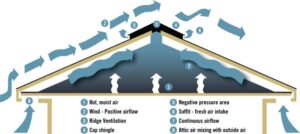
Your roof needs air flowing underneath it to stay cool and dry. If your attic is too hot, it basically bakes the shingles from the inside out. We check for ridge vents and soffit vents on every inspection to make sure the house has enough room to breathe to protect the roof deck.
Maintenance and Care Schedule
If you want your roof to reach its full life expectancy, you have to treat it like a car and give it regular service. Small tasks like cleaning gutters or checking seals take very little time but stop huge leaks. Most homeowners ignore their roof until it is too late, which always costs more money.
Metal Fastener Care
Metal roofs are great, but the rubber washers on the screws do not last as long as the metal panels. These neoprene washers usually start to crack or shrink after about 15 years. We tell our customers to plan on a screw swap around that time to keep the roof watertight.
Annual Inspection Checklist
You should get up on a ladder or use binoculars to look at your roof at least once a year. Check the areas where different parts of the house meet, like around the chimney or in the valleys. These are the spots where the most water flows and where leaks start first.
| Task | Frequency | Estimated Cost |
| Gutter Cleaning | Twice a Year | $150 to $350 |
| Debris Removal | Once a Year | $100 to $250 |
| Pipe Boot Check | Every 5 Years | $200 to $400 |
| Professional Inspection | Every 3 Years | $250 to $500 |
Small yearly costs prevent a $15,000 replacement bill.
Signs of Roof Failure
Knowing when your roof is at the end of its life can save your interior walls and floors. Most people wait until they see water dripping, but the signs are usually visible on the outside much earlier. We look for specific physical changes in the materials that show the roof cannot shed water.
Granule Loss and Damage
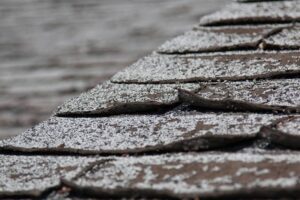
Asphalt shingles use a layer of sand-like grit to protect the asphalt from the sun. When you see a lot of this grit in your gutters, it means the shingles are starting to wear out. Once those granules are gone, the sun will eat through the shingle in a matter of months.
Flashing and Valley Leaks
The metal bits around your chimney and in the folds of your roof are called flashing. This is the most common place for a leak to start because the sealant dries out and cracks. We see a lot of roofs that are still in good shape but have failed flashing that needs a quick fix.
Condensation vs Roof Leaks
This is a pro tip that most homeowners miss entirely. Sometimes, water stains on your ceiling are caused by warm air hitting a cold attic, not a hole in your roof. We call these ghost leaks because they only show up in the winter when your heater is running.
How Long Does a Roof Last
When you ask how long does a roof last, you also have to think about the financial and legal side of things. In many states, the life of your roof is decided by your insurance company or the local building office. You might have a roof that looks fine but is legally dead because of its age.
The Insurance 15 Year Rule
Many insurance companies in the USA are now refusing to cover homes with roofs older than 15 years. They might let you keep your policy, but they will switch you to Actual Cash Value coverage. This means if a storm hits, they only pay you a tiny fraction of what a new roof costs.
Material and Labor Costs
The price of a new roof is split between what the parts cost and what you pay the crew to install them. You should expect to pay more for skilled labor than for the shingles themselves. Quality companies usually charge more because they provide a better warranty and have proper insurance for their workers.
A home roof replacement usually follows these price ranges:
- Asphalt Roof: $8,000 to $14,000
- Metal Roof: $15,000 to $30,000
- Tile or Slate Roof: $35,000 to $60,000
- Repair Work: $500 to $1,500
Building Codes and Regulations
Building codes are there to make sure your home stays safe during a big storm. Every town has its own rules, but most follow the International Residential Code (IRC) for the basics. We always check these codes before we start a job to make sure the homeowner does not get a fine later.
IRC Two Layer Limit
The IRC says you can only have two layers of roofing on your house at one time. If you already have two layers of shingles, you cannot just put a third layer on top. You have to do a full roof replacement down to the wood, which adds about $1,000 to $2,000 to your bill.
Algae and Moss Prevention
Moss and algae do more than just make your roof look ugly. They hold onto water and keep the shingles wet, which leads to rot and wood damage. We see this most often on the north side of houses where the sun does not hit as much.
Copper Algae Prevention Strips
Installing a thin strip of copper at the peak of your roof is a great way to stop green stains. When it rains, the water picks up tiny bits of copper and washes them down the shingles. This kills any algae or moss before it can take root and start eating your roof.
Roofing Frequently Asked Questions
1. How often should a roof be replaced?
Most homeowners need a full replacement every 20 to 25 years for asphalt shingles, but it depends on your local weather. We suggest a replacement if more than a quarter of the roof has leaks or if the shingles are brittle and breaking.
2. How often are you supposed to replace a roof on a house?
You should plan for a replacement once the materials can no longer shed water or protect the wood underneath. If you live in a place with heavy snow or high winds, you might need to do this sooner than the manufacturer’s warranty suggests.
3. Is a 20 year old roof too old?
For an asphalt shingle roof, 20 years is usually the “red zone” where insurance companies start to get nervous. While it might look okay from the ground, the oils have likely dried out, making it weak against the next big storm.
4. How long do shingles on a roof last in California?
In the California sun, shingles tend to dry out faster because of high UV exposure and extreme heat. You can expect about 18 to 22 years of life, though coastal salt air can also wear down the metal parts of your roof.
5. How long does a roof last in NY and NJ?
Roofs in New York and New Jersey face heavy snow and “ice damming” that can push water under the shingles. Because of these harsh winters, most standard roofs in the Northeast last between 15 and 22 years before they need a swap.
6. How long do 3-tab roof shingles last?
3-tab shingles are the thinnest option on the market and usually last between 12 and 18 years. They are more likely to blow off in high winds compared to the thicker architectural shingles most people use today.
7. How much does a roof cost to replace?
A typical home roof replacement in the US costs between $8,000 and $15,000 for standard asphalt shingles. If you choose premium materials like metal or tile, that price can jump to $30,000 or more depending on the size of your home.
Repair vs Replacement Decision
Deciding whether to patch a hole or replace the whole thing is a tough call. We usually tell people that if more than 25 percent of the roof is damaged, it is time for a new roof. Replacing a small section is fine, but the new shingles might not match the old ones, which can hurt your home’s look.
The best thing you can do today is go outside and look at your roof with a pair of binoculars. Look for shiny spots where granules are missing or shingles that look like they are curling up at the edges. If you find something, call a local pro to take a look. Staying on top of these small signs is the best way to control how long does a roof last on your home.
