
How Much Does Metal Roofing Cost: 2026 Complete Guide
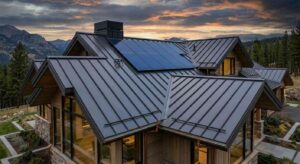
Buying a new roof is one of the biggest checks you will ever write for your home. We see homeowners get overwhelmed by all the different quotes, especially when they ask, “how much does metal roofing cost?” and see a price tag much higher than basic shingles. This guide helps you understand exactly where your money goes and how to tell if you are getting a fair deal from your local contractor.
In this article, we break down the price per square foot for every major metal type and show you how labor affects your final bill. We also look at the long-term value, like energy savings and how a metal roof changes your home’s appraisal. You will learn about the costs of different materials, regional price shifts, and the technical details that keep your home dry for fifty years.
Quick Summary: What You Will Learn
- Cost Range: Most homeowners pay $9 to $16 per square foot for mid-grade steel.
- Metal Types: Steel and aluminum are common; copper and zinc are premium luxury options.
- The Process: Labor usually accounts for 60% of the total bill due to precision cutting.
- Energy Savings: Expect a 15% to 25% reduction in cooling costs via heat reflection.
- Rules: HOA approvals and city permits are mandatory before starting the project.
Metal Roofing Full Cost Breakdown
Getting a clear handle on how much does metal roofing cost requires looking at more than just the panels. We usually see this part trip people up because they forget to account for things like tearing off the old roof or buying new flashing. A fair quote should separate your material costs from the labor needed to do the work.
| Material Type | Cost per Square Foot (Installed) | Total for 2,000 Sq Ft Roof |
| Corrugated Steel | $6.00 – $9.00 | $12,000 – $18,000 |
| Aluminum Shingles | $10.00 – $15.00 | $20,000 – $30,000 |
| Standing Seam Steel | $12.00 – $18.00 | $24,000 – $36,000 |
| Copper | $25.00 – $40.00 | $50,000 – $80,000 |
Most homeowners pay between $12,000 and $35,000 for a standard metal roof. The final price depends on how steep your roof is, how many valleys it has, and if the crew needs special equipment to reach high spots.
Square Foot Pricing
When you look at a quote, you will see the term square, which in roofing talk means 100 square feet. This price depends heavily on the thickness of the metal, also known as the gauge. A 24-gauge steel panel is thicker and more expensive than a 29-gauge panel, but it offers far better dent resistance.
Cost by US Region
Labor rates vary wildly across the country, which changes your total project cost. While material prices stay relatively stable, the cost of a crew in a high-demand urban area is often double that of a rural market.
| US Region | Price Range (per sq ft) |
| Northeast | $15 – $22 |
| Southeast | $11 – $17 |
| Midwest | $10 – $16 |
| Southwest | $12 – $18 |
| West Coast | $16 – $24 |
Labor costs drive these regional differences rather than the metal itself. You should also note that winter installs in northern states often carry a 10% to 15% premium due to safety and logistical challenges.
Labor and Material Rates
Labor usually accounts for about 60 percent of your total bill because metal takes much longer to install than shingles. A crew has to be very careful with their cuts and measurements to ensure the roof is watertight. If your roof has a lot of chimneys or dormers, the labor cost will go up because of the extra detail work required.
Metal Roof ROI
Measuring the return on a premium roof involves looking at resale value and insurance perks. Homeowners often worry that they will never get their money back on a luxury material. In our experience, a metal roof adds immediate curb appeal and can significantly boost your home value during an appraisal.
Studies from remodeling industry groups suggest metal roofs return 60% to 85% of their cost at resale on average. Some insurers also offer discounts of 5% to 30% for impact-resistant metal roofs because they stand up so well to hail and fire. When you factor in these savings, the long-term cost looks much more attractive.
Regional Choice Factors
Salt air and heavy snow dictate what you can actually put on your house. This is something most guides skip, but it is one of the first things we check on every job. Your ZIP code dictates which metal roofing sheets you should actually use to avoid early rust or wind damage.
Choosing the wrong metal for your region can lead to a total failure in less than ten years. We always tell people in Florida to avoid basic galvanized steel because the salt air will eat right through it. If you are looking for metal roofing near me, ask your local pro which material they see last the longest in your specific town.
Metal Panel Types
Not all metal roofs look like the corrugated metal you see on old barns. There is a huge variety in how these panels are made and how they look once they are on your house. Residential metal roofing is a specialized field with options ranging from modern industrial looks to traditional stone-coated styles.
Copper and Zinc
These are the luxury options in the roofing world and carry the highest price tag. Copper is famous for turning green over time, a look called patina that many high-end homeowners love. Zinc is similar because it heals itself from scratches, but both metals need a specialist to install correctly to avoid buckling.
Aluminum and Steel
Most homeowners end up choosing between aluminum and steel roofing because they offer the best balance of price and strength. Steel roofing is usually coated in a mix of aluminum and zinc called Galvalume to prevent rust. Aluminum roofing is a great choice if you live near the ocean because it is naturally resistant to salt corrosion.
Standing Seam vs Corrugated
Standing seam is the gold standard for modern homes because the fasteners are hidden under the metal. This means there are no holes in the panels for water to get through. Corrugated metal roofing is cheaper because the screws go right through the face of the metal, which can lead to leaks if the rubber washers fail over time.
Metal Installation Overview
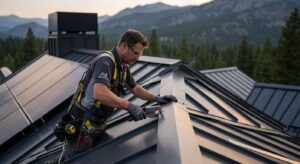
Installing a metal roof is a precise process that takes about two to five days for a standard home. We keep this section brief because while the steps are complex, the labor cost is what matters most to your budget. The crew must move with care to avoid scratching the paint or over-torquing the fasteners.
- Tear-off: Remove old shingles to check the wood deck for rot.
- Underlayment: Apply high-temp water barriers to protect against ice and heat.
- Flashing & Panels: Install precision-cut metal panels and seal all edges.
During the install, your life will be loud and messy for about 48 hours. We tell homeowners to move their cars out of the driveway and keep their pets inside while the old materials are coming down and the new metal is being cut.
Common Metal Roofing Mistakes
Avoiding these errors is the best way to protect your long-term investment. We often find that a “failed” metal roof wasn’t the metal’s fault then it was a mistake made during the planning or installation phase.
Choosing the Wrong Gauge
Using thin, 29-gauge metal in a region prone to heavy hail is a recipe for a dented roof. We see this go wrong when homeowners try to save 10% on the quote by picking a thinner steel that isn’t rated for their local weather.
Skipping the Underlayment
High-temp underlayment is non-negotiable for metal roofs. Because metal gets so hot in the summer, standard asphalt underlayment can melt and stick to the metal, causing the system to fail prematurely.
Dissimilar Metal Corrosion
Galvanic corrosion is the kind of problem that hides for years until it suddenly destroys an entire roof section. For example, you should never use copper gutters with a steel roof because the steel will rust away almost immediately where the two metals touch.
Over-tightening Fasteners
If a contractor over-tightens the screws, the rubber washer will bulge and crack. This lets water seep into your wood deck. Proper fastener tension is a technical skill that many general handymen lack.
Ignoring HOA Approval
Buying a metal roof without checking your Homeowners Association rules can be a $20,000 mistake. Some HOAs only allow specific colors or stone-coated styles to maintain a neighborhood look.
Metal Quality Tests
Verify what you are buying before the panels go on the roof. You can use the “Magnet Test” to find out what you are actually buying. A magnet will stick to steel but not to aluminum or copper, which helps you verify that the contractor delivered the material you paid for.
Maintenance and Problems
Small problems on a metal roof almost always get ignored for too long. Even though metal is tough, it is not a zero maintenance material. You should have a professional check your roof every few years to look for loose trim or clogged gutters that could cause water to back up under the panels.
Yearly Fastener Check
If you have an exposed fastener roof, you need to check the screws once a year. Look for screws that have backed out or washers that are dry-rotted. Replacing a few screws every year is a cheap way to prevent a thousand-dollar leak in your ceiling.
Common Metal Questions
Modern installation methods have solved almost all the old complaints about noise or heat. These answers address the lingering myths most homeowners have about metal.
Solar Panel Prep
Metal roofs are actually the best surface for solar panels because they last so long. You can use special clamps that grip the standing seam, meaning you do not have to drill any holes in your roof. This keeps your warranty intact while you generate your own power.
Energy Bill Savings
Reflective coatings on the metal bounce the sun’s heat away from your house. This can lower cooling bills by 15% to 25% according to the Metal Roofing Alliance. In the summer, this keeps your attic much cooler and means your AC does not have to work as hard.
How much does metal roofing cost per square foot? For residential projects, you should expect to pay between $9.00 and $16.00 per square foot installed for mid-grade steel. High-end materials like copper or zinc can easily exceed $30.00 per square foot depending on the complexity of your roof.
What is the biggest problem with metal roofs? The most common issue is improper installation of fasteners, which can lead to leaks as the rubber washers dry out or are over-tightened. In coastal areas, selecting the wrong metal (like galvanized steel) can lead to rapid corrosion from salt air exposure.
What is the cost to put a metal roof on a 2,000 sq ft house? A standard 2,000 square foot home usually costs between $18,000 and $36,000 for a full standing seam installation. This price includes the tear-off of old materials, new underlayment, and all necessary trim and flashing work.
What is the average 1,500 sq ft metal roof cost? Homeowners typically spend between $13,500 and $22,500 for a roof of this size using 24-gauge steel. The final price varies based on the “pitch” (steepness) of your roof and how many chimneys or skylights the crew must work around.
Can I put a metal roof over shingles? Yes, but you must check local building codes first to ensure your home can handle the weight of a second roofing layer. We generally recommend a full tear-off to inspect the wood decking for rot that could compromise your new metal panels.
Is a metal roof cheaper than wood? While metal has a higher upfront price than cedar shakes, it is significantly cheaper over its lifetime because it requires less maintenance and lasts twice as long. Wood shingles are also highly flammable, whereas metal provides superior fire protection for your home.
What is the metal roofing labor cost per square? Labor usually runs between $300 and $700 per square (100 square feet) depending on the complexity of the installation. Standing seam systems require more skilled labor and specialized tools than exposed-fastener corrugated panels, driving up the labor portion of your bill.
Conclusion
Deciding on how much does metal roofing cost is about looking at the next fifty years, not just the next five. While you will pay more today, you are buying a roof that withstands fire, wind, and hail better than almost anything else. It is a smart move for anyone who plans to stay in their home for a long time.
Your next step is to call three roofing contractors for a quote. Ask them for a sheet metal price list so you can compare the different metal roofing prices available in your area. Checking these costs early will help you set a realistic budget for your project.
