
Expert Advice for Finding Best Roofing Style for Your Home
Walking out to your driveway and looking up at an old, failing roof is a stressful moment for any homeowner. You might realize that simply replacing what was there before is a missed opportunity to change the entire look of your property. Choosing a new look for your home is an exciting process, but it comes with technical requirements that can catch you off guard. We see homeowners get deep into the design process only to find out their house cannot handle the weight of their favorite material.
This article will walk you through how to choose a roofing style that fits your architecture, your local laws, and your budget. We will cover the structural limits of different shapes and explain why the pitch of your roof dictates your material choices. You will also learn about the hidden costs of structural upgrades and how to navigate HOA restrictions. Our goal is to give you the same honest advice we give our customers during an initial site visit.
Why Home Architecture Matters
Your home was likely designed with a specific structural logic that dictates which roof shapes look natural and function correctly. A colonial home has a different skeleton than a modern ranch, and forcing a mismatched style can create drainage issues or look out of place. We find that respecting the original lines of the house usually leads to the best long term results for curb appeal.
Style Matching: The Quick Reference Guide
| Home Style | Best Roof Shape | Recommended Material |
| Colonial / Cape Cod | Gable or Gambrel | Asphalt Shingle or Wood Shake |
| Victorian | Mansard or Steep Gable | Natural Slate or Scalloped Shingle |
| Modern / Contemporary | Flat, Shed, or Butterfly | Standing Seam Metal or Membrane |
| Spanish / Mediterranean | Hip or Low Slope | Clay or Concrete Tile |
| Ranch / Farmhouse | Hip or Gable | Metal Panel or Architectural Shingle |
| Craftsman | Low-Pitch Gable | Heavy Composition Shingles |
Roofing Marketing vs Reality
The roofing industry uses the word architectural to describe almost everything, but it often just means a thicker version of a standard shingle. When a salesperson talks about architectural shingles, they are usually referring to laminated composite materials designed to mimic depth. We want you to understand the difference between a marketing label and the actual physical properties of the product you buy.
The reason this distinction is important is because true architectural features involve the shape of the roof deck itself. While a designer shingle can add shadow lines, it cannot change a gable roof into a gambrel roof. Real style changes usually require a carpenter to alter the wood framing of your house. We always tell our clients to focus on the material performance first and the marketing names second.
Common Roof Shapes and Architectural Styles
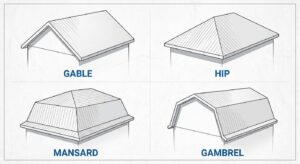
The shape of your roof is the foundation of its style and determines how well it sheds water, snow, and debris. Different shapes offer various benefits for attic space and ventilation, but they also come with unique maintenance needs. In our experience, the most common shapes in the USA are chosen for their reliability in local weather conditions.
Gable and Hip Styles
Gable roofs are the classic triangular shape most people draw when they think of a house. They are excellent for shedding water, but can be vulnerable in high wind zones if they are not braced correctly. Hip roofs slope down on all four sides, which makes them much more stable during hurricanes or heavy wind storms.
Mansard and Gambrel Styles
Mansard roofs are a French design that features four sides with two slopes each, allowing for more living space in the attic. Gambrel roofs are often seen on barns and traditional Dutch colonial homes, providing a similar increase in upper floor headroom. We find that these styles require more detail work around the transitions to prevent leaks.
Modern and Trending Styles (Butterfly and Shed)
Shed roofs feature a single sloping plane and are becoming popular for modern additions. A butterfly roof consists of two planes sloping inward toward the middle, resembling bird wings. While these styles look incredible on contemporary homes, they require expert drainage planning to prevent water from pooling in the center “V” of the roof.
Jerkinhead and Saltbox Styles
A jerkinhead is essentially a gable roof with clipped ends, offering a unique look and better wind resistance than a standard gable. Saltbox roofs have an asymmetrical design with one side much longer than the other. These are rare, but offer a distinct historical aesthetic that stands out in a neighborhood.
Best Roofing Materials by Style
Once you understand the shape of your roof, you need to select a material that complements that geometry. Not every material works on every shape, and some combinations can lead to premature failure if the weight is not calculated. We see the best results when the material choice matches both the look and the slope of the house.
Asphalt Shingle Pros and Cons
Asphalt shingles are the most popular choice in the country because they are affordable and easy to install. They come in many colors and can mimic the look of wood or slate for a fraction of the price. The downside is that they have a shorter lifespan than premium materials and can lose their granules over time.
Metal Roofing Style Options
Metal roofs are no longer just for commercial buildings or barns. You can get metal in standing seam panels or even shingles that look like traditional clay tiles. They last a very long time and reflect heat well, which can help lower your cooling bills during the summer.
Natural Tile and Slate
Slate and clay tiles are the gold standard for longevity and high end style. They are naturally fire resistant and can last for a century if the underlayment is maintained. However, they are extremely heavy and require a roof structure that is built to handle that specific load.
Style-to-Pitch Compatibility Matrix
The pitch of your roof is the vertical rise for every twelve inches of horizontal run. This number is the most important technical factor when you choose a roofing style for your home. If you pick a material that is not rated for your pitch, water will eventually back up under the shingles and rot your plywood.
The 4:12 Pitch Barrier
A 4:12 pitch is the magic number where most standard shingles begin to work effectively. If your roof is flatter than this, we generally recommend using a different installation method or a specialized membrane. Most homeowners do not realize that standard warranties are often void if you install shingles on a low slope without extra protection.
Choose a Roofing Style Within Load Limits
This is something most guides skip, but it is one of the first things we check on every job. Your house was built to carry a specific amount of weight called the dead load. If you currently have asphalt shingles and want to switch to a heavy tile roof, your rafters might not be strong enough.
Why You Need Load Letters
A load letter is a document from a structural engineer that confirms your house can handle a new material. We have seen roofs begin to sag because a homeowner installed heavy slate without checking the rafter spacing first. Getting an engineer to look at your attic framing is a small cost that prevents a massive structural failure later.
Roofing Costs and Budget Factors
The cost of your new roof is influenced by much more than just the price of the shingles. You have to account for the removal of the old layers, the repair of any damaged wood, and the complexity of the roof shape. Steeper roofs cost more to install because the crews have to use more safety equipment and move slower.
Estimated Pricing by Material (Average 2,000 sq. ft. Roof)
- Asphalt Gables: $7,000 – $15,000
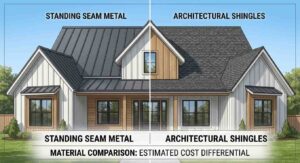
- Metal Standing Seam: $16,000 – $32,000
- Clay or Concrete Tile: $20,000 – $40,000
- Natural Slate: $30,000 – $60,000+
- Structural Reinforcement: Add $3,000 – $8,500 if rafters need “sistering” or bracing.
Permits and HOA Guidelines
Approximately 30% of US homeowners live in HOA governed communities where your style choices are legally limited. You might love the look of a specific metal roof, but your neighborhood rules might require asphalt. We always tell our clients to check their paperwork before they fall in love with a specific color or style.
HOA Style Change Petitions
If you want a style that is not currently on the approved list, you can often file a petition for a variance. This usually requires showing samples of the material and proving that it will not lower the property values of the neighborhood. Having a professional contractor help you explain the benefits can often tip the scales in your favor.
Insurance Premium Impact by Style
Your insurance company cares a lot about what you put on your roof. Certain styles and materials are considered more durable, while others are seen as a high risk. Choosing a style that is impact rated can actually lead to a discount on your monthly premiums in many states.
Fire Zones and Uninsurable Styles
If you live in a Wildland Urban Interface zone, your style choices are even more restricted. Wood shakes are often outright prohibited or uninsurable in high fire risk areas like California or Colorado. We find that switching to a metal or synthetic style that carries a Class A fire rating is the only way to stay covered.
Ventilation Physics by Roof Style
The way air moves through your attic depends heavily on the shape of your roof. A standard gable roof is easy to vent with a ridge vent along the top. However, a hip roof has a much shorter ridge, which means it often needs extra intake and exhaust vents to prevent heat buildup.
Match the Roof Color to Your Home
Selecting the right color is just as important as the style. A dark roof absorbs heat, while a light roof reflects it, impacting your energy bills. Beyond performance, you should coordinate your roof color with your siding and trim. For example, gray or black roofs pair well with white or blue siding, while brown or tan roofs look best with brick and earth tones.
Frequently Asked Questions
What roof style lasts the longest?
Natural slate and clay tiles are the champions of longevity, often lasting 75 to 100 years. Metal roofs follow closely at 50 to 70 years, while standard asphalt shingles typically last 20 to 30 years depending on local weather and maintenance.
What is the best roof for high wind areas?
A hip roof is considered the best shape for high winds because it slopes down on all four sides, offering less resistance to the wind. Combining a hip shape with a metal or tile system that uses high-wind fasteners provides the maximum protection.
What roof style adds the most resale value?
Modern architectural shingles and standing seam metal roofs offer the best return on investment for most homeowners. These styles are universally liked by buyers, offer great curb appeal, and signal that the home is well-protected against the elements.
Will a metal roof interfere with my cell service?
We have found that modern metal roofing has almost no noticeable impact on indoor cellular or wifi signals. The signals usually enter through windows and walls, so you should not experience dropped calls simply because you upgraded to a metal roof system.
How do I know my roof pitch?
A contractor can measure this using a pitch gauge or a simple framing square and level against the rafters. You can also use smartphone apps that use your camera’s level to get a ballpark estimate from the ground or inside the attic.
Can I put a new roof over my old one?
While some codes allow two layers, we always recommend a full tear off to inspect the wood underneath. Adding a second layer traps heat, shortens the life of the new shingles, and prevents you from finding rotted decking that needs replacement.
What is the most affordable roof style?
A standard gable roof with asphalt shingles is the most budget-friendly choice. It is the easiest to install, requires the least amount of specialized labor, and the materials are readily available at any local building supply store.
Final Decision
Selecting the right look for your home is a balance of your personal taste and the technical limits of your house. Start by checking your local building codes and HOA rules to see what is allowed in your neighborhood. Once you know your constraints, look at your roof pitch and decide if you are willing to pay for structural upgrades for heavier materials like slate or tile. Always ask your contractor for a breakdown of how your style choice will impact your insurance and long-term maintenance. To make a smart choice on how to choose a roofing style, walk your neighborhood and take photos of homes with a similar shape to yours to see what looks best in person. Taking these practical steps ensures that your new roof will be as durable and safe as it is beautiful.
