
2026 Complete Price Guide on New Roof Cost and Saving Tips
Finding out your home needs a big fix like a new roof is stressful for any family. Most people realize they have a problem when they see a water stain on the ceiling or find shingles in the yard after a storm. This guide breaks down the current how much does a new roof cost so you can plan your budget without any nasty surprises from contractors.
We will look at the different materials you can choose and how the size of your house changes the price. You will also learn about new 2026 safety rules and how to avoid the common scams we see in the roofing trade. Our goal is to help you get a fair price for a roof that lasts.
Average New Roof Cost
Most American homeowners spend between $8,500 and $16,500 to replace a standard roof. We see these prices move up or down based on where you live and how hard it is for a crew to work on your house. If you have a very large home or use expensive materials, that number can easily climb much higher.
| Component | Price Range (Low) | Price Range (High) | Why it Varies |
| Materials | $2,500 | $9,000+ | Quality and type of shingle |
| Labor | $3,000 | $8,000 | Roof steepness and local rates |
| Disposal | $500 | $1,500 | Weight of old layers being removed |
| Permits | $200 | $800 | Local city or county requirements |
This table shows that labor and materials make up the biggest chunks of your bill. It is helpful to remember that every home has its own quirks that change these numbers.
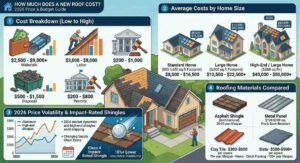
2026 Price Volatility
This is something most guides skip, but it is one of the first things we check on every job. In 2026, the price of materials like aluminum and high-end shingles is moving faster than it used to. We see quotes that are only good for 14 days because suppliers are changing their prices so often.
Current Market Price Trends
Prices for roofing goods are currently tied to shipping costs and factory output across the country. We usually see prices jump in the spring when everyone starts their home projects at the same time. If you can wait until the late fall, you might find that material prices settle down a bit.
Costs by Material
The material you choose is the biggest factor in how much you pay. Asphalt is the most common choice in the US because it is the cheapest to buy and easiest to install. However, we are seeing more people move toward metal or tile because they want a roof that lasts for 50 years instead of 20.
Asphalt Shingle Prices
Standard asphalt shingles usually cost between $90 and $150 per square, which is a 10-foot by 10-foot area. We find that most homeowners choose architectural shingles because they look better and handle wind much better than the old flat style. They cost a little more upfront but save you money on repairs later.
| Shingle Grade | Cost Per Square | Lifespan | Warranty |
| 3-Tab | $90 – $130 | 15 to 20 years | 25-year prorated |
| Architectural | $130 – $200 | 25 to 30 years | 30-year or lifetime |
| Luxury / Designer | $200 – $400 | 30 to 50 years | Lifetime non-prorated |
Architectural shingles hit the best balance of cost and performance for most homes. One square covers 100 square feet of roof surface.
Metal Roof Expenses
Installing a metal roof usually costs between $12,000 and $35,000 for a standard home. This is a big jump in price, but these roofs handle fire and heavy snow much better than shingles. In our experience, homeowners choose metal when they plan on staying in their house for the rest of their lives.
Premium Tile and Slate
Tile and slate are the most expensive options and can cost over $50,000 for a large house. These materials are very heavy and your home might need extra wood framing to hold the weight. We see these most often on high-end homes or in places like Florida and California where they help keep the house cool.
Solar Ready Roof Options
This is something most guides skip, but it is one of the first things we check on every job. If you think you want solar panels in the next few years, you need to tell your roofer now. A solar-ready roof uses special mounting points and stronger underlayment to make sure the panels do not cause leaks later.
Roof Size and Pitch
The size of your roof is measured in squares, and each square is 100 square feet. A larger roof simply needs more material and more hours of work from the crew. The pitch, or how steep the roof is, also changes the price because steep roofs are more dangerous and slower to work on.
- Measure the total square footage of your home footprint.
- Add the overhang factor, which is usually 1.1 to 1.3 depending on the slope.
- Divide by 100 to find how many squares of material you need.
- Multiply by the material cost per square to get your base price.
Installation and Labor
Labor is roughly 60% of your total bill on most roofing jobs. We have to pay for insurance, safety gear, and the specialized tools needed to work high off the ground. If your roof has a lot of chimneys, skylights, or valleys, the labor cost goes up because those areas take extra time to seal correctly.
48 Hour Install Protocol
A standard asphalt roof on a 2,000 square foot home with a moderate pitch takes one to two days for a crew of four to six workers. Here is what that process looks like in practice:
- Day 1, Morning: Crew sets up safety equipment and begins tear-off of old shingles and underlayment
- Day 1, Midday: Decking inspection happens here. Any hidden rot, soft spots, or code problems show up at this stage
- Day 1, Afternoon: New underlayment goes down, followed by ice and water shield in valleys and at eaves, then drip edge along all edges
- Day 1, Late Afternoon: First half of shingle installation if weather holds
- Day 2, Morning: Remaining shingles, ridge cap, and all flashing details around chimneys and skylights
- Day 2, Afternoon: Final inspection, gutter recheck, cleanup, and dumpster haul-away
Steep roofs above 8/12 pitch take longer because crews move more carefully and OSHA requires permanent anchors and safety rails. That same two-day job on a steep pitch can stretch to four days, and the safety compliance surcharge adds 20% to 25% to the total labor cost.

Avoid Installation Mistakes
This is something most guides skip, but it is one of the first things we check on every job. We see a lot of problems when crews try to save money by using old flashing or skipping the ice and water barrier. If your roofer does not replace the metal around your chimney, you will likely have a leak within three years.
Permits and Codes
Every town has its own rules about how a roof must be built to stay safe. Your contractor should handle the paperwork, but you are the one responsible if the work does not meet the local code. We always tell homeowners to ask for a copy of the signed permit before the work begins.
2026 IRC Compliance
This is something most guides skip, but it is one of the first things we check on every job. The 2026 International Residential Code has new rules about how roofs are nailed down in high-wind areas. If your crew does not use the right number of nails per shingle, your insurance company might refuse to pay for future storm damage.
Wildfire Zone Fire Ratings
This is something most guides skip, but it is one of the first things we check on every job. In many western states, the law now requires a Class A fire rating for any new roof. We see homeowners get fined or lose their insurance because they installed a material that was not approved for their specific zone.
Hire a Contractor
Choosing the right company is just as important as choosing the right shingles. A cheap quote often means the company is skipping insurance or using untrained labor. We suggest getting at least three written quotes and checking that each one includes a clear start and end date.
Spot 2026 Storm Chasers
This is something most guides skip, but it is one of the first things we check on every job. After a big storm, storm chaser crews come into town and knock on doors offering a free roof through your insurance. These crews often do poor work and vanish before you notice a leak, leaving you with no way to use your warranty.
Warranty Types Compared
There are two different warranties you need to understand, which are the manufacturer warranty and the workmanship warranty. The manufacturer covers the shingles if they fail early, but the workmanship warranty covers the labor. In our experience, a 5-year workmanship warranty is the standard for a quality local company.
Maintenance and Longevity
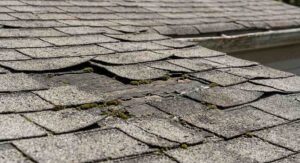
A new roof should last at least 20 to 25 years if you take care of it properly. Most homeowners forget about their roof as soon as the crew leaves, but a little checkup once a year can prevent big bills. Keeping your gutters clean is the best way to make sure water does not back up under your new shingles.
Class 1-4 Impact Ratings
This is something most guides skip, but it is one of the first things we check on every job. Materials are tested for how well they handle hail, with Class 4 being the strongest. If you live in a place with heavy storms, choosing a Class 4 shingle can lower your yearly insurance bill by 10% or more.
New Roof Cost Worksheet H2
Before you sit down with any contractor, know what to ask for as a line item. A detailed quote tells you far more than a single total number does.
| Line Item | Should Be in Your Quote | Typical Cost Range |
| Tear-off and haul-away | Yes | $500 – $1,500 |
| Decking inspection and spot repairs | Yes | $200 – $800 |
| Full redeck if required | Yes or noted as separate | $2,500 – $5,000 |
| Synthetic underlayment | Yes | $200 – $600 |
| Ice and water shield | Yes | $300 – $700 |
| Drip edge all edges | Yes | $200 – $400 |
| Shingles with brand and grade listed | Yes | Varies |
| Flashing replacement | Yes | $300 – $900 |
| Ridge cap and ridge vent | Yes | $450 – $1,000 |
| Permit fee | Yes | $150 – $500 |
| Debris removal | Yes | $300 – $600 |
| OSHA safety equipment on steep slopes | Yes if pitch is above 8/12 | $200 – $600 |
Any quote missing more than three of these line items as separate entries is either incomplete or hiding costs inside a lump sum. Ask for the breakdown before you compare numbers.
FAQs
How much does a new roof cost per square foot? Most homeowners pay between $4.50 and $7.50 per square foot for a standard asphalt shingle replacement. This price covers the cost of tearing off the old materials, new shingles, and professional installation.
How much does it cost to replace a roof on a 3,000 square foot house? A typical 3,000 square foot home usually costs between $13,500 and $22,500 for a full asphalt shingle replacement. If you choose premium materials like metal or tile, the price can easily exceed $40,000.
How much is 2,000 square feet of shingles? Buying just the shingles for a 2,000 square foot roof costs between $2,600 and $4,000 depending on the brand and quality grade. Keep in mind that you will also need to buy underlayment, nails, and flashing, which adds to the total.
What does a new roof cost in Texas? In Texas, the average roof replacement runs between $9,000 and $16,000 due to high demand and frequent storm activity. Because of the heat and hail, many local contractors recommend upgrading to impact-rated shingles to save on insurance.
How much does a new roof cost in NC? North Carolina homeowners typically spend between $8,000 and $15,000 for a new roof, depending on the complexity of the job. Prices stay competitive, but coastal areas often face higher costs due to strict wind-resistance building codes.
Conclusion
Getting a new roof is a major step in protecting your family and your biggest investment. While the how much does a new roof cost can feel high, doing it right the first time prevents rot, mold, and expensive interior repairs. Your next step should be to find three licensed local contractors and ask them for a detailed written estimate that includes 2026 safety upgrades.
